
Homemade Gluten-Free Lasagna Noodles: Simple, Fresh, and Allergy-Friendly
Making lasagna noodles from scratch may sound intimidating. But once you try it, you’ll realize how easy and rewarding it can be—especially when it’s gluten-free and allergy-friendly. This recipe creates a soft, pliable dough perfect for rolling and shaping. Plus, it’s adaptable for different diets, including corn-free or leafy-green-loving ones. Whether you’re cooking for yourself, your family, or friends with dietary restrictions, this pasta hits the mark. Best of all, it only takes a handful of pantry staples.
Let’s dive into this recipe that brings comfort, flexibility, and flavor all in one.
Where This Recipe Comes From
Pasta has a long, delicious history. It’s believed to have originated in ancient China or the Middle East, depending on who you ask. Italy, of course, made pasta the superstar it is today. Traditionally made from wheat flour and eggs, it’s a staple in many households.
But for those of us avoiding gluten, eggs, or corn, traditional pasta just won’t work. That’s where this homemade version shines. I created this recipe after years of frustration with store-bought gluten-free noodles. They’d often fall apart, taste bland, or cost way too much.
This dough was born out of experimenting—trying different flours, oils, and hydration levels. It’s simple, reliable, and totally customizable. You can roll it into fettuccine, cut it into lasagna sheets, or use it to make filled pasta like ravioli. Once you try it, you’ll want to skip the boxed stuff for good.
What You’ll Need (and How to Swap)
This recipe uses just five ingredients—plus an optional one if you want to level it up. Here’s what you’ll need to make it:
- Gluten-free flour (or rice flour with guar gum for a corn-free option)
- Water
- Salt
- Olive oil
- Optional: fresh or frozen spinach or kale
Substitutions are easy. If you’re not corn-sensitive, you can use a gluten-free flour blend that includes cornstarch or xanthan gum. For a different flavor, try avocado oil or another neutral oil in place of olive oil. If you’re skipping greens, no worries—they’re just for color and nutrition. Want even more variety? Add herbs like basil or garlic powder to the dough.
Simple Steps to Homemade Pasta
Start by mixing your dry ingredients in a large bowl—gluten-free flour and salt.
Slowly add olive oil and most of the water. Stir with a fork or spoon until a dough starts to form. It should come together but still be a little shaggy.
If the dough looks dry or crumbly, add water 1 tablespoon at a time. Gluten-free flours absorb differently, so don’t worry if you need a bit more.
Once the dough mostly sticks together, transfer it to a clean surface. Knead it gently for 2 to 4 minutes until smooth. It won’t be elastic like regular dough, but it should hold its shape without cracking.
If you want spinach or kale pasta, now’s the time to add it. Steam or sauté your greens, blend them with a tablespoon of water, and knead the purée into the dough. It may be a little sticky at first, but that’s okay.
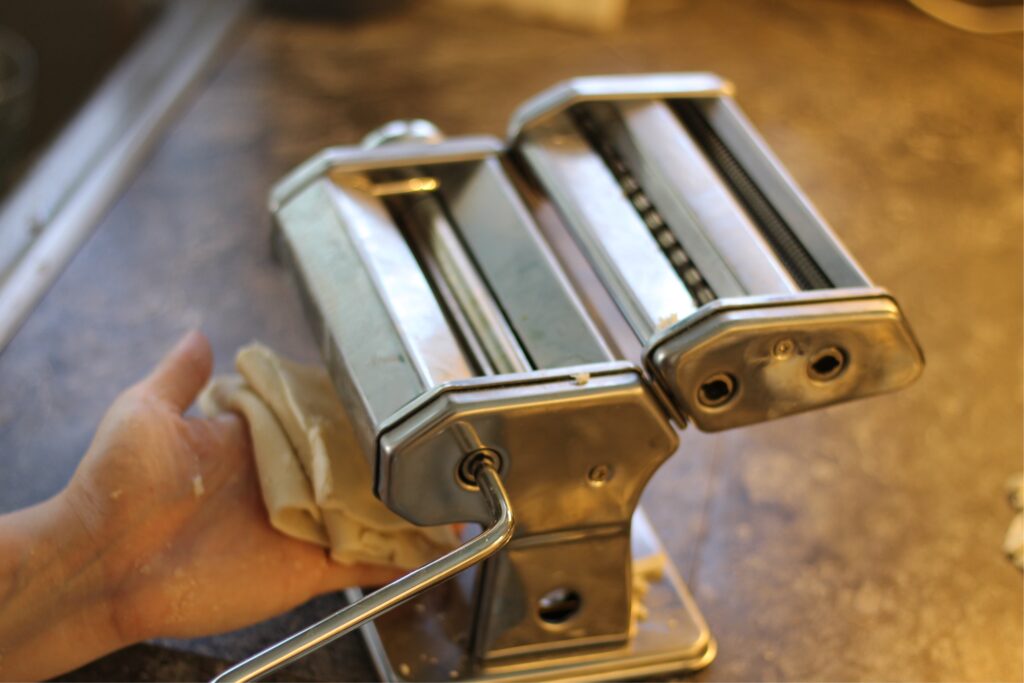
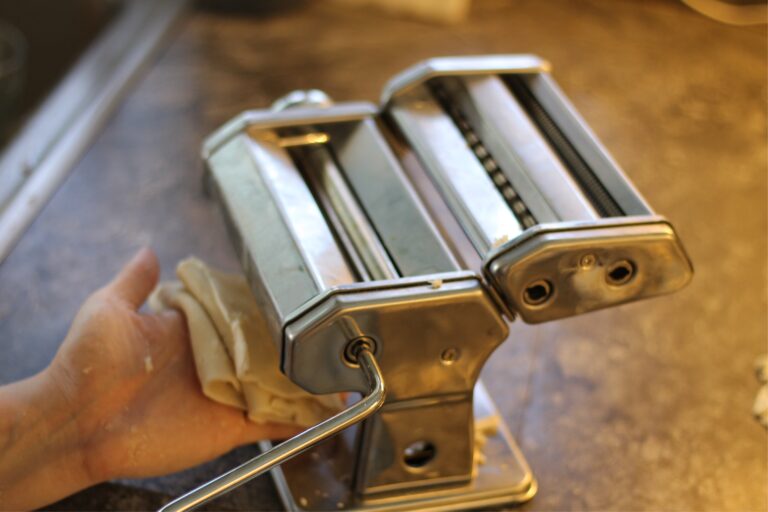
Divide the dough into manageable pieces. Roll each one out on a lightly floured surface. Use a rolling pin or a pasta machine if you have one. Keep the thickness even, around 1/8 inch.
Cut the dough into your desired shape with a pasta machine or by hand—sheets for lasagna, strips for fettuccine, or squares for ravioli.
To cook, boil a pot of salted water. Drop the pasta in and cook for 2 to 4 minutes. It should float and feel tender when ready.
Drain and serve immediately with your favorite sauce. Homemade pesto, garlic olive oil, or dairy-free Alfredo all work beautifully.
Questions You Might Be Asking
Can I freeze this pasta?
Yes! Roll and cut the pasta first. Then freeze it in a single layer before transferring to a container. Boil straight from frozen—no thawing needed.
What if my dough is too sticky?
Sprinkle in a little more flour, 1 tablespoon at a time. Different gluten-free blends can vary a lot, so adjustments are normal.
Can I use this for ravioli or filled pasta?
Absolutely. Just make sure the dough is rolled a little thinner. Use water or olive oil to seal the edges before boiling.
Do I need a pasta machine?
Not at all. A rolling pin works just fine. Just roll the dough slowly and evenly.
How can I store leftovers?
Cooked pasta lasts 3 to 4 days in the fridge. Reheat gently with a splash of water or broth. The uncooked dough also keeps well in the fridge for 2 days if wrapped tightly.
Is this egg-free?
Yes! There are no eggs, making it safe for egg allergies and vegan-friendly.
Can I use a different flour?
You can try blends with chickpea flour, cassava, or even sorghum, but results may vary. Always add guar or xanthan gum if your blend doesn’t include a binder.
Final Thoughts
There’s something special about making pasta from scratch. It slows you down and gives you full control over your ingredients. For people with food sensitivities, that’s a big deal. This recipe brings back the joy of pasta night without the stress.
So go ahead—try it once, and you’ll be hooked. Whether you’re tossing it with marinara, layering it in a lasagna, or making a fancy pasta salad, this gluten-free dough will have your back.
And who knows? Maybe you’ll start a new pasta tradition in your home too.
Homemade Vegan Gluten Free Lasagna Noodles
Ingredients
- 4 cups (600g) gf flour, OR if corn-free: gf rice flour mixed with 1 tsp guar gum
- 1 1/4 cup water (1–3 TB more if dough looks flaky and dry)
- 1 tsp salt
- 1/4 cup olive oil
- **optional: 1 cup spinach or kale for spinach flavored pasta
Instructions
- **If making spinach-flavored pasta: In a blender, mix oil, water, and spinach, till a paste forms. If not, skip to step 2.
- Mix all ingredients together till a lightly sticky dough ball forms. (If needed, add an extra 1-3 TB of water, till dough is just a bit sticky. It should not fall apart as easily).
- Cut the dough into 4 equal sections.
- Roll out the dough into 1/8 inch thick 9×13” rectangles.
- Cut the 9×13” rectangle into 4 strips.
- If eating now, In a wide 12-15 inch wide deep pot, cook 2 noodles per time in boiling hot water, mixed with 1 TB of oil. —-If eating later, Dry your pasta on a baking sheet for 2 days, or till pasta is completely dry.
- Once completely dry, it stores up to a half year in an airtight container between layers of parchment. It can also be frozen for a full year between parchment papers.