
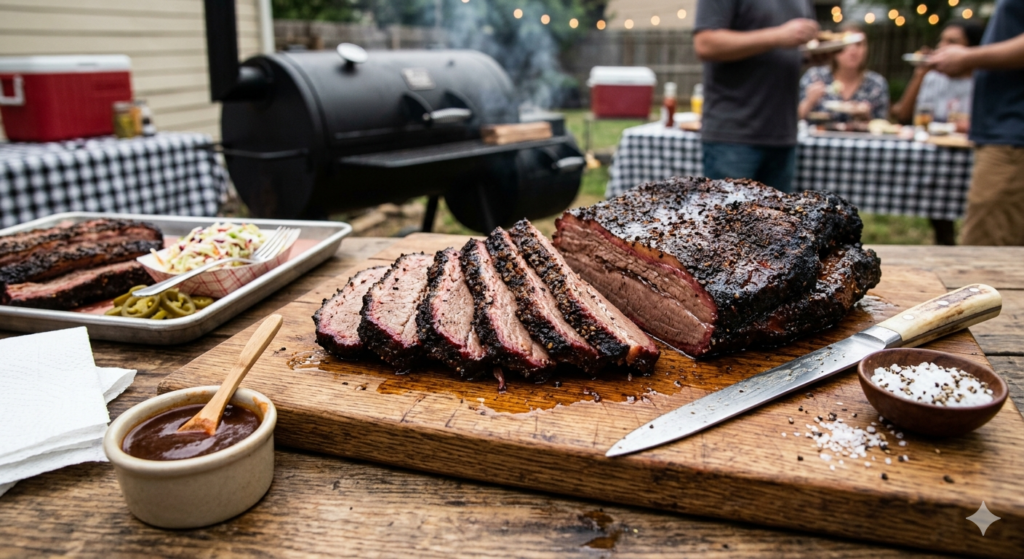
Allergy Friendly Smoked Brisket
Smoked brisket is one of those meals that feels both impressive and comforting at the same time. It is rich, flavorful, and perfect for feeding a group. This top 9 allergen-free smoked brisket recipe keeps things simple while still delivering that classic smoky taste everyone loves. Even better, it is made without the most common allergens, so it works for a wide range of dietary needs.
I love this recipe because it focuses on simple ingredients and technique rather than complicated sauces or marinades. A good brisket does not need much. With the right seasoning, steady heat, and a little patience, you end up with tender, juicy meat that practically falls apart. Whether you are cooking for a gathering, a weekend dinner, or meal prepping, this recipe is a reliable go-to.
What Makes This Brisket Allergy-Friendly
This brisket recipe is completely free from the top 9 allergens, which include dairy, eggs, wheat, soy, peanuts, tree nuts, fish, shellfish, and sesame. Instead of relying on premade rubs or sauces—which often contain hidden allergens—you are making a simple spice blend at home.
Because of that, you have full control over every ingredient. This is especially important for families managing food allergies. According to Food Allergy Research & Education (FARE), avoiding cross-contact and reading ingredient labels carefully is key to staying safe. If you want to learn more about food allergies and safe cooking practices, you can visit Food Allergy Research & Education (FARE).
Another benefit is that this recipe keeps things naturally simple. It uses basic pantry spices and lets the flavor of the beef shine through. As a result, you get a clean, smoky taste without needing anything extra.
A Brief History of Smoked Brisket
Brisket has a long history, especially in barbecue culture. The cut itself comes from the lower chest of the cow and is known for being tough due to the amount of muscle and connective tissue. However, when cooked low and slow, it becomes incredibly tender.
Smoking meat dates back centuries as a method of preserving food. Over time, it evolved into a cooking technique that adds deep, rich flavor. In the United States, smoked brisket is especially associated with Texas barbecue. German and Czech immigrants brought their meat-smoking traditions to Texas, where brisket became a staple.
Today, Texas-style brisket is known for its simple seasoning—usually just salt and pepper—and slow smoking over wood. If you want to explore more about the history of barbecue and brisket, you can read more from the Smithsonian Magazine’s barbecue history article.
How to Get Perfect Smoked Brisket
Although brisket might seem intimidating, it really comes down to a few key steps. First, preparation is important. Trimming excess fat helps the seasoning stick and allows the smoke to penetrate the meat. However, leaving a thin layer of fat adds flavor and keeps the brisket moist.
Next, seasoning evenly is essential. Because brisket is a large cut, you want to make sure every side is coated. This helps create that flavorful crust, also known as bark, on the outside.
Temperature control is another big factor. Smoking at a steady 225°F allows the connective tissue to slowly break down. If the temperature is too high, the meat can dry out. On the other hand, low and slow cooking results in tender, juicy brisket.
Wrapping the brisket partway through cooking is also important. This step, often called the “Texas crutch,” helps push the meat through the stall phase and keeps it from drying out. You can use foil or butcher paper depending on your preference.
Finally, resting the brisket is just as important as cooking it. Letting it rest allows the juices to redistribute throughout the meat. Skipping this step can result in dry slices, even if the brisket was cooked perfectly.
Flavor Tips and Variations
Even though this recipe keeps things simple, there are still ways to customize it. For example, you can use different types of wood in your smoker. Oak and hickory give a stronger, traditional barbecue flavor, while applewood adds a slightly sweeter, milder smoke.
You can also adjust the seasoning to your taste. If you like a little heat, adding chili powder or cayenne is a great option. On the other hand, if you prefer a more classic flavor, sticking with salt, pepper, and paprika works perfectly.
Some people like to spritz their brisket during cooking with apple cider vinegar or water. This can help keep the surface moist and enhance the bark. While it is optional, it can add another layer of flavor.
Serving Ideas for a Crowd
Since this recipe uses a 4–6 pound brisket, it is ideal for serving a group. You can slice it thin and serve it with classic sides like roasted vegetables, potatoes, or salads. It also works well for sandwiches, tacos, or meal prep throughout the week.
If you are hosting, consider setting up a simple serving station. This allows guests to build their own plates and keeps things relaxed. Because brisket is so rich, pairing it with lighter sides can help balance the meal.
Final Thoughts and Pro Tips
Smoked brisket may take time, but the process is straightforward once you understand the basics. The key is patience. Rushing the cooking process will not give you the same tender results.
Always use a meat thermometer to track internal temperature rather than relying on time alone. Every brisket cooks a little differently, so temperature is the most reliable guide.
Also, be sure to slice against the grain. This shortens the muscle fibers and makes each bite more tender. It is a small step that makes a big difference in the final texture.
In the end, this top 9 allergen-free smoked brisket recipe proves that you do not need complicated ingredients to create something amazing. With simple seasonings, steady heat, and a little care, you can make a meal that is both safe and incredibly delicious. Whether you are cooking for your family or a crowd, this brisket is sure to impress every time.
Print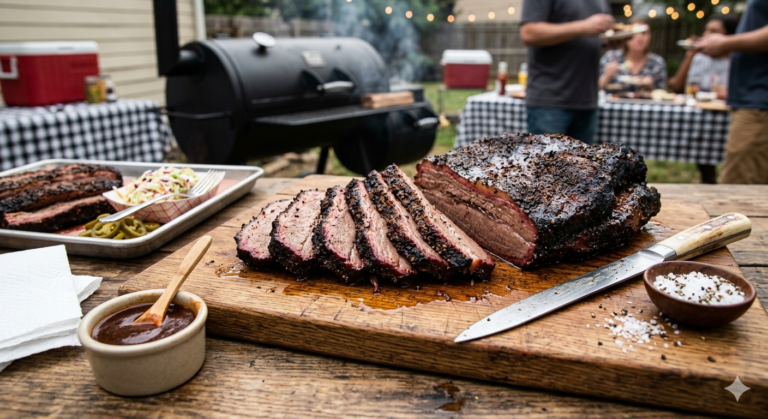
Allergy Friendly Smoked Brisket
- Total Time: 0 hours
- Yield: 8–10 1x
Ingredients
Brisket:
- 4–6 lb beef brisket
- 2 tbsp olive oil or avocado oil
Dry Rub:
- 2 tbsp salt
- 1 tbsp black pepper
- 1 tbsp smoked paprika
- 2 tsp garlic powder
- 2 tsp onion powder
- 1 tbsp coconut sugar (or regular sugar)
- 1 tsp chili powder (optional)
Instructions
- Pat brisket dry and trim excess fat.
- Rub with oil, then coat evenly with seasoning.
- Preheat smoker to 225°F.
- Smoke brisket (fat side up) until it reaches 165°F (about 6–8 hours).
- Wrap in foil or butcher paper.
- Continue cooking until 200–205°F.
- Rest 1 hour before slicing.
- Smoking: 6-8 hours
- Cook Time: 10 hours total with resting time