
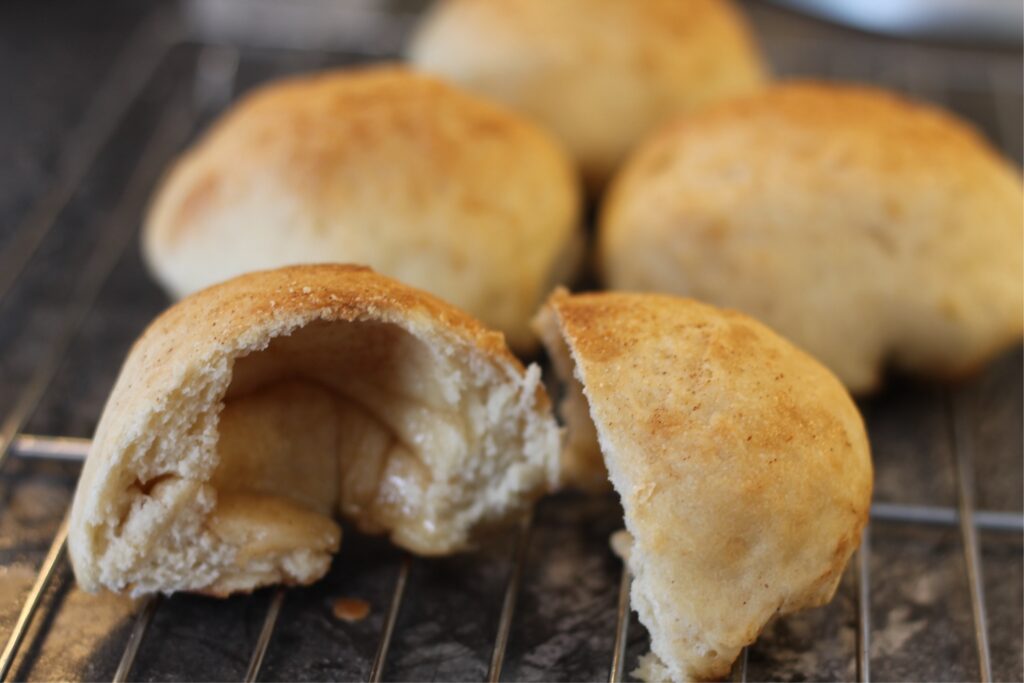
Resurrection Rolls: A Meaningful Easter Tradition for Your Family
Easter is one of the most meaningful and hope-filled celebrations of the year. While many people associate it with baskets, egg hunts, and springtime gatherings, the true heart of the holiday goes much deeper. It centers on the resurrection of Jesus Christ and the promise of new life. One of the most beautiful ways to share that message—especially with children—is through baking Resurrection Rolls.
These simple, sweet rolls are more than just a treat. They tell a story. As they bake, something special happens inside, transforming an ordinary recipe into a powerful visual representation of the empty tomb. In this post, we’ll walk through the meaning behind Easter, how Resurrection Rolls symbolize that message, and practical tips to make them perfectly every time.
Why We Celebrate Easter
At its core, Easter is a Christian holiday that celebrates the resurrection of Jesus Christ from the dead. According to the Bible, Jesus was crucified, died, and was placed in a tomb. Three days later, the tomb was found empty—He had risen. This event is seen as the foundation of the Christian faith because it represents victory over sin and death.
Easter follows the season of Lent, a time of reflection and preparation. It culminates in Holy Week, which includes Good Friday (commemorating Jesus’ crucifixion) and Easter Sunday, the day of His resurrection. While traditions vary around the world, the central message remains the same: hope, renewal, and life.
Over time, Easter has also become associated with symbols like eggs, which represent new life, and spring flowers, which reflect renewal. Resurrection Rolls fit beautifully into this theme because they combine a hands-on activity with a deeper spiritual lesson.
What Are Resurrection Rolls?
Resurrection Rolls are soft, homemade rolls wrapped around a marshmallow that melts during baking. When you open the roll after it cools, the marshmallow has disappeared, leaving an empty center.
That empty space is the key.
It represents the empty tomb of Jesus on Easter morning.
This simple transformation turns baking into a teaching moment. Kids can physically see and understand the story in a way that sticks with them. It’s interactive, memorable, and meaningful.
How the Rolls Symbolize the Empty Tomb
Each part of the recipe can be tied back to the Easter story:
- The marshmallow represents Jesus’ body
- The butter and cinnamon sugar symbolize the oils and spices used for burial
- The dough represents the cloth that wrapped Him
- The oven represents the tomb
As the rolls bake, the marshmallow melts away. When the roll is opened, it’s empty—just like the tomb described in the Bible.
This visual is powerful because it connects something familiar (food) to something deeply meaningful. For children especially, abstract concepts like resurrection can be hard to grasp. But seeing an “empty tomb” in their own hands helps bring the story to life.
A Simple Tradition That Creates Lasting Memories
One of the best things about Resurrection Rolls is how easy they are to incorporate into your Easter traditions. You don’t need fancy ingredients or complicated steps. You can make them the night before Easter, on Easter morning, or even during a family gathering.
As you prepare the rolls, you can talk through the story step by step. Let kids help dip the marshmallows, wrap the dough, and seal each roll. Then, while they bake, you can build anticipation by asking what they think will happen inside.
When the rolls come out and are opened for the first time, that moment often becomes the highlight.
It’s simple. It’s meaningful. And it’s something kids remember for years.
Pro Tips for Perfect Resurrection Rolls
Even though this recipe is beginner-friendly, a few key tips can make a big difference in how your rolls turn out.
First, seal the dough completely around the marshmallow. This is the most important step. If there are gaps or thin spots, the melted marshmallow can leak out during baking. Pinch the seams tightly and place the roll seam-side down on the baking sheet.
Second, don’t skip the cinnamon sugar coating. This adds flavor, but it also creates a slight barrier that helps contain the marshmallow as it melts.
Third, use parchment paper or a lined baking sheet. Even with careful sealing, a little leakage can happen. Parchment makes cleanup much easier.
Fourth, watch your baking time closely. Overbaking can cause the rolls to become too firm, while underbaking may leave the dough raw inside. Aim for a light golden brown color.
Fifth, let them cool slightly before opening. The inside will be hot right out of the oven. Waiting a few minutes helps the structure set and prevents burns.
Allergy-Friendly Adaptations
If you run an allergy-friendly kitchen, Resurrection Rolls can easily be adapted to fit your needs.
- Use a gluten-free 1:1 flour blend for the dough
- Choose dairy-free butter alternatives like olive oil or plant-based butter
- Look for allergen-friendly marshmallows (many brands are gelatin-based but still free from top allergens—just check labels carefully)
The beauty of this recipe is its flexibility. You can adjust ingredients without losing the symbolism or experience.
Making It More Meaningful
If you want to take this tradition a step further, consider turning it into a full family moment.
You could read a short passage from the Bible while the rolls are baking. You could ask your kids what they think the empty center represents. You could even have them explain it back to you after opening the rolls.
Another idea is to pair the activity with other Easter traditions like decorating eggs or sharing a special meal. Resurrection Rolls can become the centerpiece of your celebration—not just another recipe, but a meaningful ritual.
Why This Tradition Matters
In a world where holidays can sometimes feel rushed or overly commercialized, simple traditions like this help bring the focus back to what matters most.
Resurrection Rolls are not about perfection. They’re about connection. They create space for conversation, reflection, and teaching in a way that feels natural and engaging.
They also remind us that even small, everyday actions—like baking—can carry deeper meaning.
Final Thoughts
Resurrection Rolls are more than just a sweet Easter treat. They’re a hands-on way to share the story of Easter, celebrate the resurrection of Jesus Christ, and create lasting memories with your family.
As you bake, talk, and share these rolls, you’re doing more than following a recipe. You’re passing down a tradition. You’re helping the next generation understand the meaning of Easter in a way that’s simple, visual, and unforgettable.
Whether this is your first time making them or a yearly tradition, these rolls have a special way of bringing both joy and meaning to your Easter celebration.
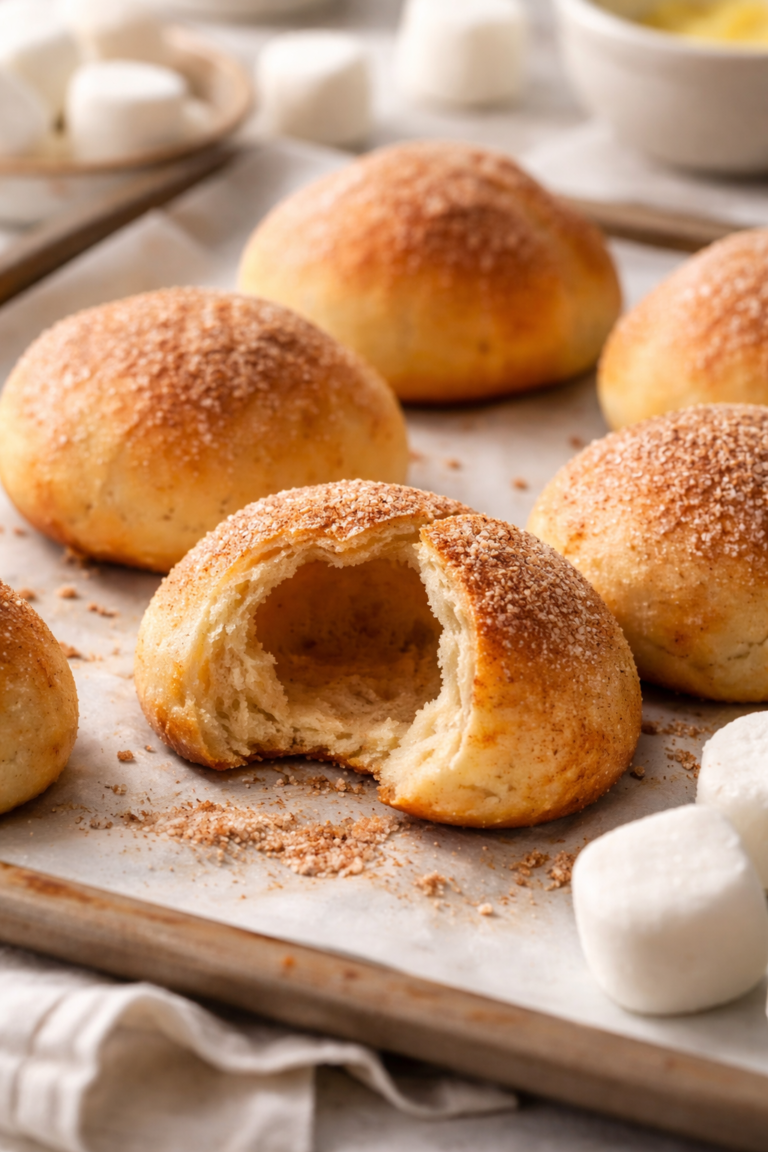
Vegan Resurrection Rolls (Gluten, Soy, & Nut Free)
- Total Time: 1 hour 18 minutes
- Yield: 8 1x
Ingredients
Base Dough
- 1 cup warm water (about 110°F)
- 2 ½ tsp instant yeast
- 2 tbsp sugar
- 2 tbsp oil (olive oil or avocado oil)
- 1 tsp salt
- 2 ½–3 cups all purpose gluten free flour (till dough is lightly sticky)
Filling
- Large vegan soy free marshmallows
- 3 tbsp melted vegan soy free butter
- ¼ cup sugar
- 1 tsp cinnamon
Topping
- 2 TB vegan soy free butter
- 1 tsp cinnamon
- 1 TB brown sugar
Instructions
- In a bowl, mix warm water, yeast, and sugar. Let sit 3–5 minutes until foamy.
- Stir in oil and salt.
- Add flour slowly until a soft dough forms.
- Knead 5–7 minutes until smooth.
- Cover and let rise 45–60 minutes, until doubled.
- Preheat oven to 375°F.
- Divide dough into 8–10 pieces and flatten each.
- Dip a marshmallow in melted butter, then roll in cinnamon sugar.
- Wrap dough completely around marshmallow and seal well.
- Place seam-side down on a baking sheet.
- Bake 10–12 minutes until golden.
- Let cool slightly—inside will be hollow (like the empty tomb).
Notes
- In a bowl, mix warm water, yeast, and sugar. Let sit 3–5 minutes until foamy.
- Stir in oil and salt.
- Add flour slowly until a soft dough forms.
- Knead 5–7 minutes until smooth.
- Cover and let rise 45–60 minutes, until doubled.
- Preheat oven to 375°F.
- Divide dough into 8–10 pieces and flatten each.
- Dip a marshmallow in melted butter, then roll in cinnamon sugar.
- Wrap dough completely around marshmallow and seal well.
- Place seam-side down on a baking sheet. Mix topping ingredients together & brush topping over each roll.
- Bake 10–12 minutes until golden.
- Let cool slightly—inside will be hollow (like the empty tomb).
- Prep Time: 10
- Rise: 60
- Cook Time: 8