
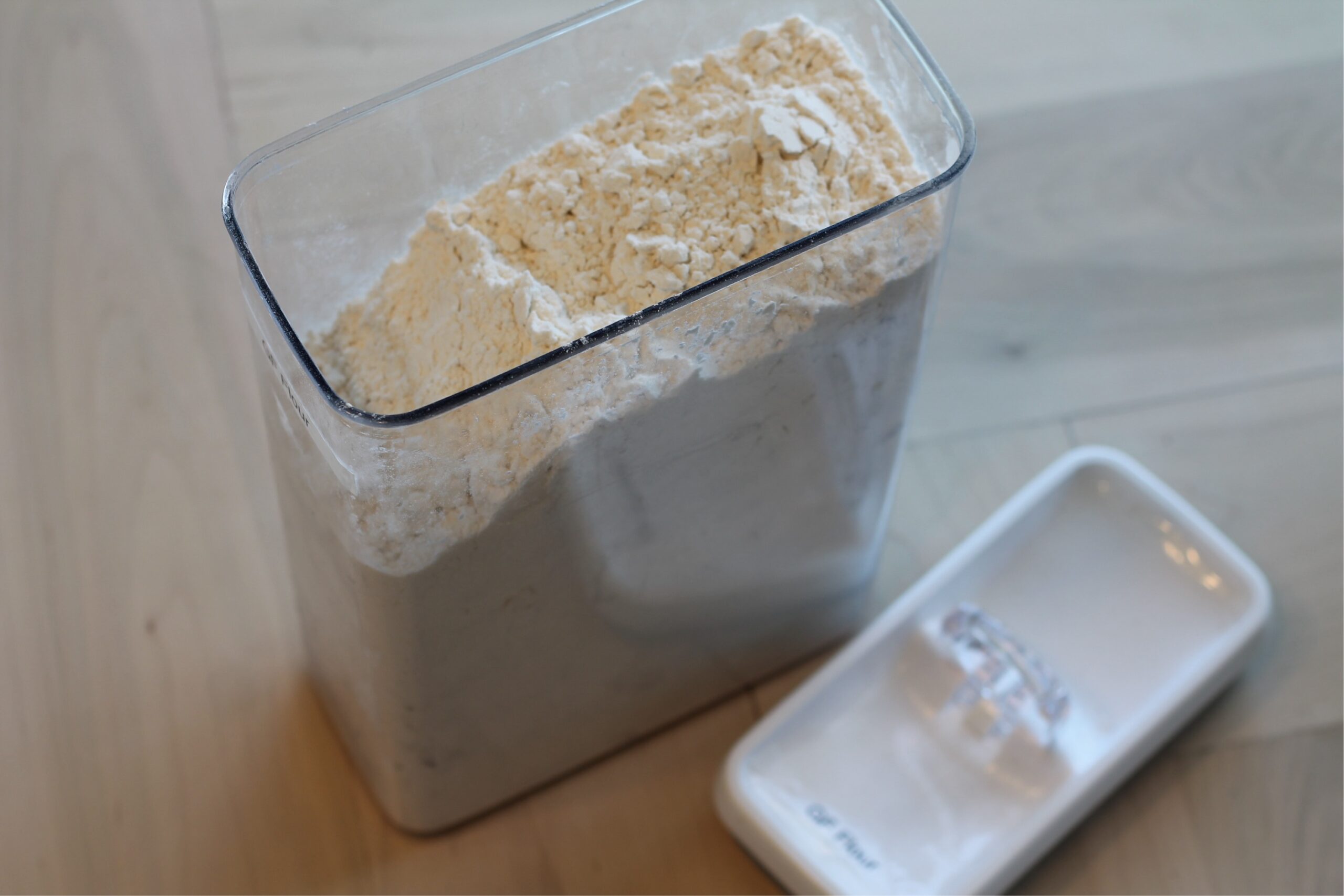
Gluten Free All-Purpose Flour Mix
Today I am going to talk about how to make your own gluten free all-purpose flour mix for everything EXCEPT breads made with yeast. Regular all-purpose gluten free flour blends don’t work super well when making yeast bread loaves, so that’s why I have created a gluten free bread flour mix recipe here. But, if you’re looking for an all-purpose gluten free flour blend for all other baked foods, then you’re in the right spot!
This post may contain affiliate links. See full disclosure HERE.
Why I started making my own gluten free flour mixes
When I first started baking gluten-free, I was constantly frustrated. The brand I could consistently find wasn’t working for a lot of my recipes, making things too gummy. And Every brand of gluten free all purpose flour mix acted differently. Some made cookies spread too far. Others left pancakes dense and gummy. I’d follow a recipe exactly, only to end up with something disappointing. It didn’t take long to realize that the problem wasn’t my technique—it was the flour.
Most store-bought gluten-free blends aim to be one-size-fits-all. But gluten-free baking isn’t that simple. You need a mix that behaves predictably and works well in the recipes you make. I wanted consistency. I wanted to know that when I measured a cup of flour, I wouldn’t be gambling with the results.
So, I started making my own. At first, it felt very intimidating. I didn’t know which flours did what. But once I began learning how different starches and proteins affect texture and structure, it got easier.
Making my own gluten-free flour also saved money. The specialty blends at the store can get expensive, especially if you’re baking often. Buying the ingredients in bulk and mixing them myself turned out to be way more affordable in the long run. I could make 10 cups at a time, store it in a big airtight container, and always have it on hand.
Why Gluten-Free Flours Need to Be Finely Milled
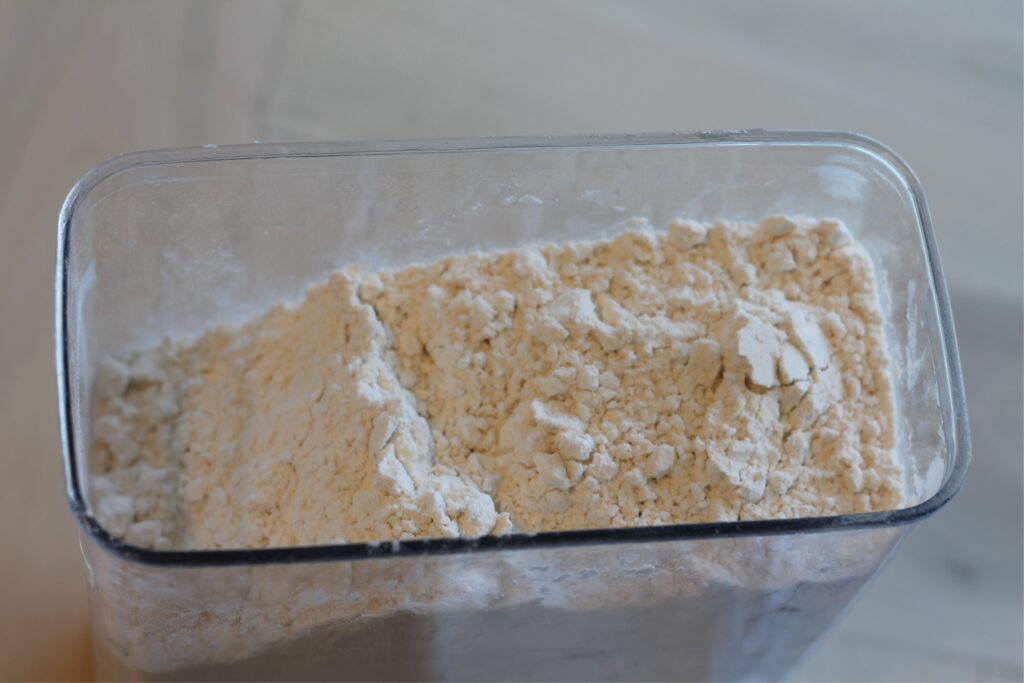
If you’ve ever baked gluten-free, you know it’s not as simple as swapping one flour for another. Gluten-free flours behave differently. They’re missing the structure that gluten provides. That’s where milling comes in. When you start with finely milled flour, you’re setting yourself up for a smoother dough, a lighter crumb, and a better final product. It really makes all the difference.
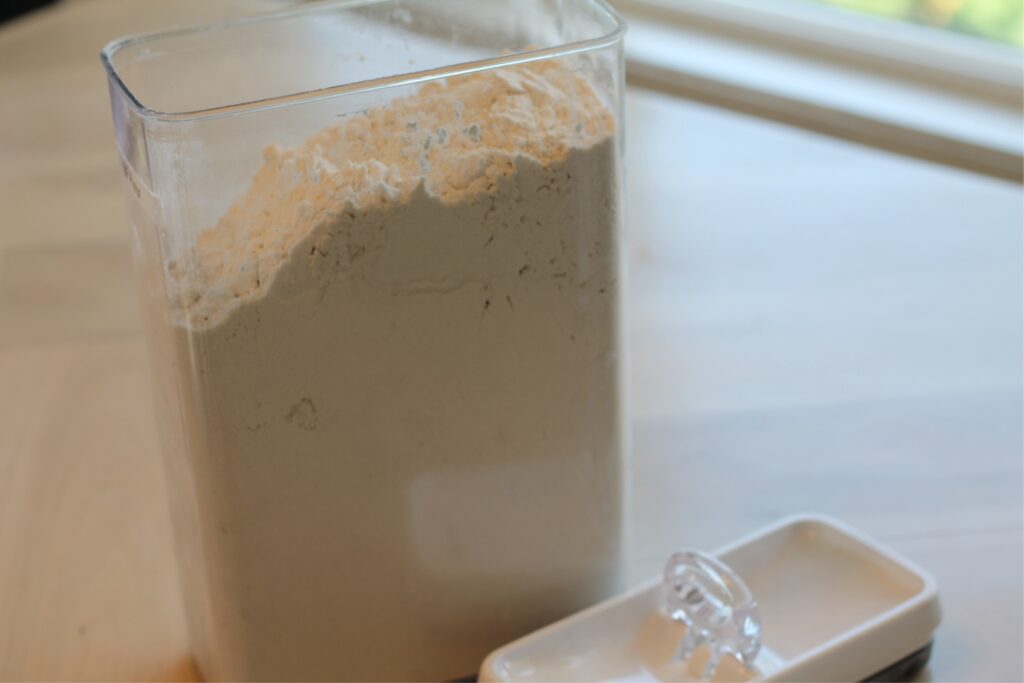
The finer the grind, the better the starches can absorb moisture. That means your batter or dough hydrates more evenly. No gritty texture, no clumps, and fewer issues with dry or crumbly bakes. If you’ve had a cookie fall apart before it made it to your mouth, odds are the flour was too coarse.
Plus, finely milled flours blend more easily with other ingredients. Since gluten-free baking relies on combining multiple flours and starches, this matters a lot. You need everything to behave as one unified flour blend. That’s hard to do when one flour feels like sand and another feels like powder.
Another perk? Finer flour makes your batter more stable. It helps reduce spreading in cookies, collapsing in cakes, or rubbery middles in quick breads. I’ve had my share of baking fails, and they almost always tracked back to coarsely milled flour. So, if you want gluten-free flour to work like a true substitute, go fine. It’s worth the extra cost, and once you taste the difference, there’s no going back.
Print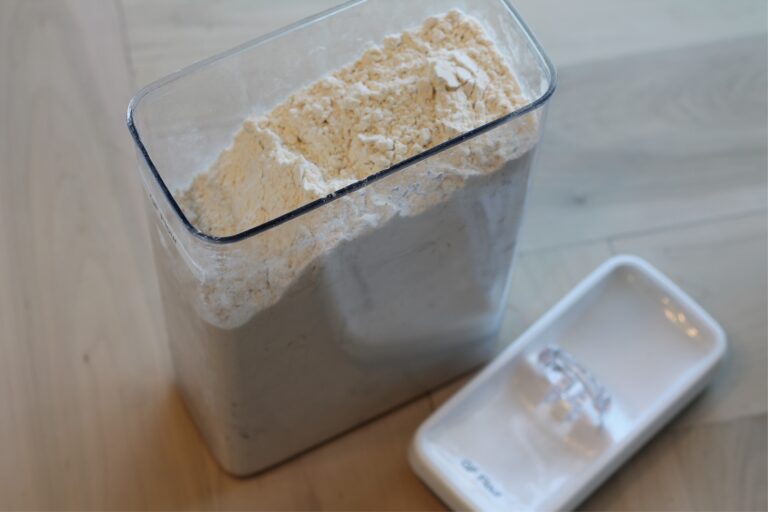
Homemade Gluten Free All-Purpose Flour Mix
- Total Time: 5 minutes
- Yield: 10 cups (140g per cup) 1x
Ingredients
- 360g (3 cups) superfine brown rice flour
- 360g (3 cups) superfine white rice flour
- 180g (1½ cups) tapioca starch
- 240g (1½ cups) potato starch
- 60g (½ cup) potato flour
- 18g (~2 Tbsp + 1 tsp) xanthan gum
Instructions
- In a large bowl, combine all the ingredients, using a digital scale.
- Whisk thoroughly to evenly distribute the flours, starches, and gums throughout the flour.
- Store in an airtight container in a cool, dry place for up to 3 months, or refrigerate for longer shelf life.
- Stir or shake well before each use. For reference 140g of this mix is equal to a 1 cup serving.
- Prep Time: 5